01 / Fire watch
Fire watch
A dedicated officer on rounds while your fire system is out of service.
View details
Guide
How to get a hotel, office or residential building ready for a fire watch, from the first phone call to the first shift change.
Request a quoteCall (650) 376-8218
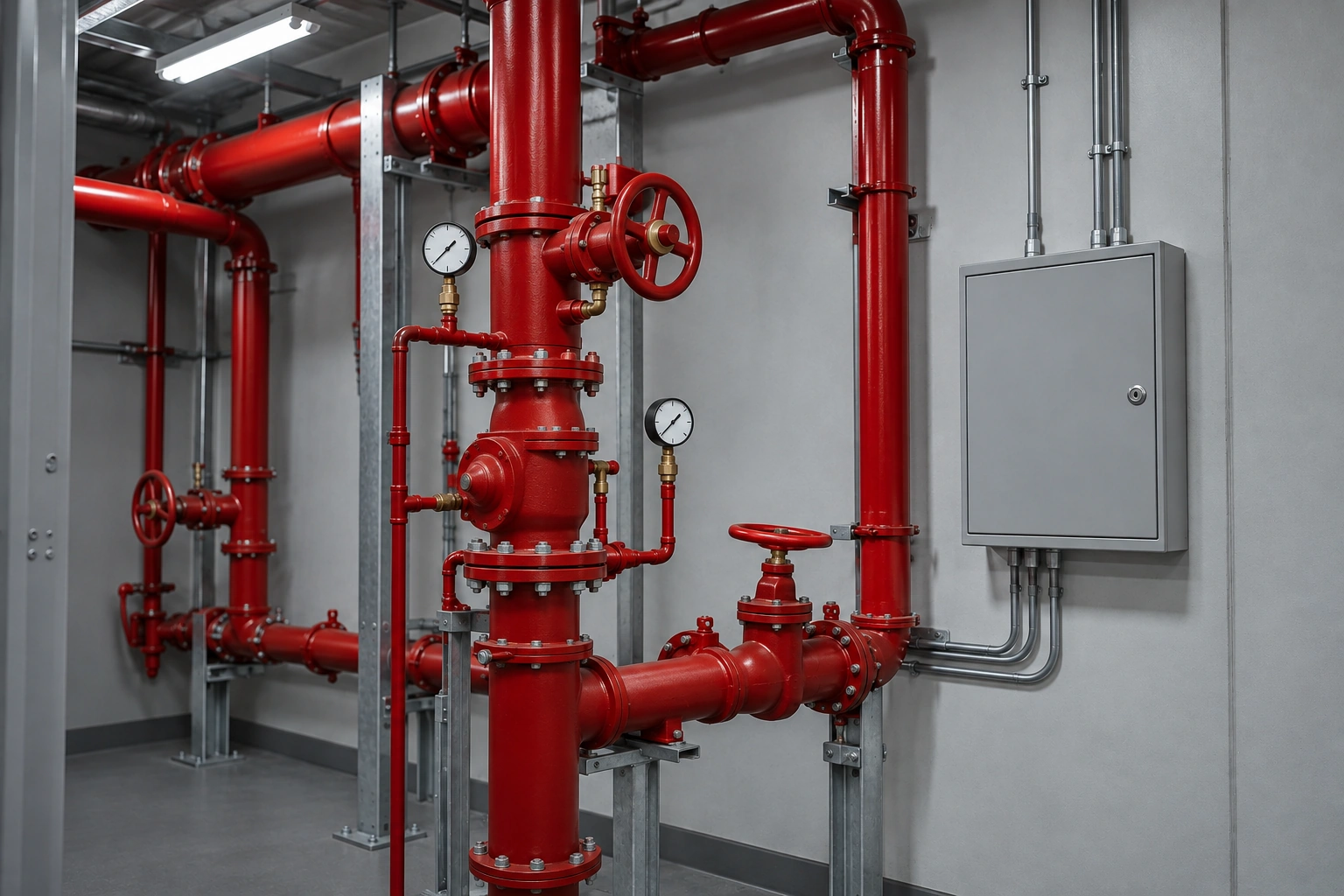
Alarm panels fail, sprinkler lines are shut for tenant improvements and systems go offline for testing. Whatever the cause, the first step on your side is the same: get your fire protection contractor to confirm which zones are out and for roughly how long, so the watch covers the right floors from the first round.
Have a floor plan or a marked-up evacuation map ready. With it, the officer and your engineer can set the route in minutes instead of working it out floor by floor.
List the engineer or building manager on duty, your fire protection contractor, your alarm company and whoever can approve changes to the watch. Add where the keys, extinguishers and pull stations are, and which rooms stay locked.
The sheet matters most at shift change and overnight, when the person who knows the building best has usually gone home.
Guests, tenants and residents notice an officer walking the halls late at night. A short note at the front desk or by the elevators explains that the building is being watched while repairs are made, which heads off questions and keeps the officer moving.
Until the system is restored and signed off: a single night, a weekend or the length of a renovation. Coverage can be overnight or 24 hours.
The first hour of a fire watch sets the pattern for the rest. Your on-site contact walks the officer through the affected floors and areas, the exits and stairwells, and points out anything unusual, such as a storage room full of materials or a floor under construction. Together they settle the route the officer will repeat and who gets called if something turns up.
Keep a short contact sheet with the log. When the shift changes, the incoming officer reads the log and the sheet before taking over, so the watch carries on without a gap.
Many fire watches happen in buildings that stay open: hotels with guests upstairs, offices with tenants at their desks, apartment buildings full of residents. The officer’s manner matters as much as the route. A calm, professional presence walking the corridors reads as attentiveness rather than alarm.
In a hotel, the officer checks in with the front desk and engineering so the night team knows where the watch is at any moment, which is also how a hotel security post runs. In an office, tenants see a polite officer passing through on a steady loop. Either way, the building keeps running while the officer covers what the alarm or sprinkler system normally would.
Planned impairments are easier than surprises. If a tenant improvement or sprinkler work will shut down part of a system, tell us the schedule as soon as your contractor sets it. Coverage can then be lined up for the exact days and hours the system is down, and nothing more.
A renovation may need more than a fire watch. Contractors coming and going, materials on the floor and open areas after hours can each point to a gate officer or patrol, and construction site security fits alongside the watch under one plan. More on the service itself is on our fire watch page.
Yes. The officer walks the affected floors continuously while the building stays open.
A brief note at the desk or in the lobby is enough. It explains the officer on the floors and lets everyone carry on as normal.
The officer raises the alarm, calls for help and alerts your on-site contact, then records what happened in the log and in an incident report with photos.
Your fire protection contractor and the local fire authority decide when the system is back in service. Once you have that sign-off, tell us and the post closes with a final entry in the log.
Services
01 / Fire watch
A dedicated officer on rounds while your fire system is out of service.
View details02 / Construction
A gate officer by day and guards, patrol or cameras after the crews leave.
View details